Autumn brings crisp weather and vibrant foliage, but for home and building owners, it also marks the countdown toward winter’s most destructive element: the freeze-thaw cycle. Beneath the surface of your building’s exterior, microscopic cracks in mortar joints and porous brick trap autumn rainfall. When freezing temperatures arrive, trapped water expands by roughly 9%, causing mortar to crumble, bricks to spall (pop off), and moisture to penetrate deep into interior walls. Attempting full repointing in sub-freezing temperatures requires costly heated enclosures because curing mortar will fail if frozen prematurely. Schedule professional brick tuckpointing before winter settles in to ensure your building envelope stays dry, secure, and energy efficient all year long.
By conducting a thorough masonry inspection, completing timely repointing, and applying breathable waterproofing before the first severe frost, property owners can protect structural integrity, avoid emergency winter repair costs, and extend the lifespan of their brick and stone assets.
The Physics of the Freeze-Thaw Cycle and Masonry Damage
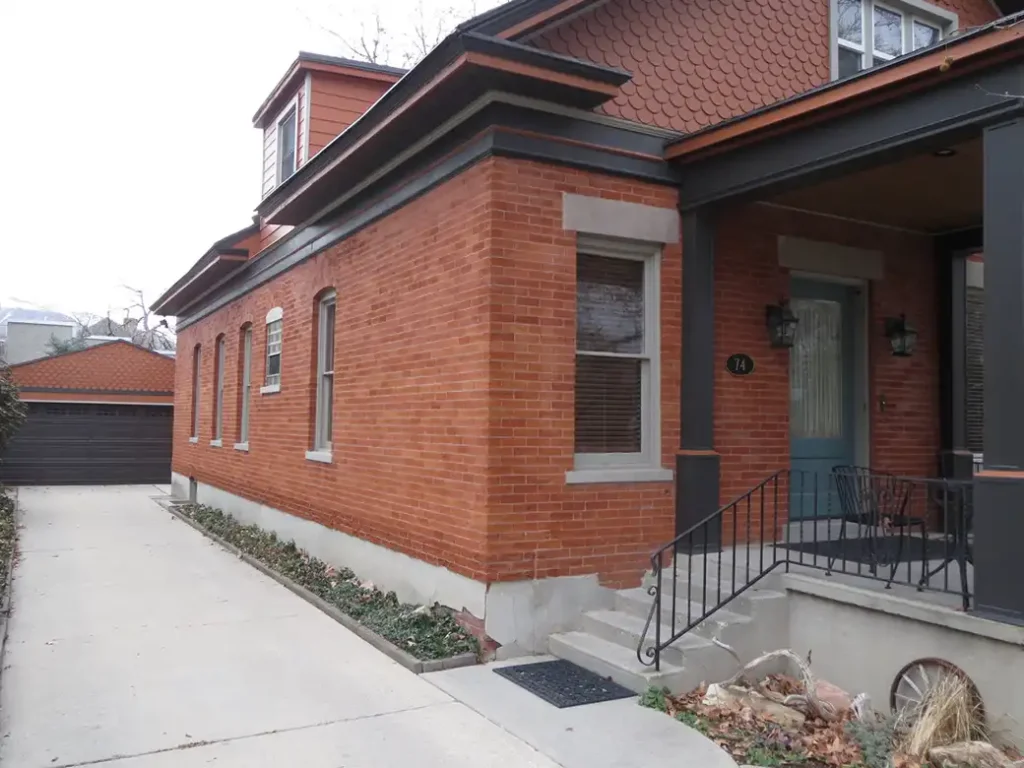
Brick and stone are naturally porous materials, designed to absorb and release ambient moisture. However, when mortar joints degrade due to age, weathering, or thermal expansion and contraction, water pooling in cracks creates a severe structural hazard. Understanding how to protect brick masonry from freeze-thaw damage starts with recognizing how liquid water behaves inside masonry voids. During winter, trapped moisture freezes, expands, and exerts thousands of pounds of pressure per square inch against surrounding brick and mortar. Over a single winter, this continuous expanding and contracting completely destroys structural stability.
The Four Stages of Freeze-Thaw Structural Failure
- Autumn Rain: Moisture fills pores and hairline cracks in degraded mortar and brick.
- Temperature Drops: Trapped water freezes inside the masonry as ambient temperatures plunge.
- Internal Expansion: Ice expands by roughly 9% in volume, exerting thousands of pounds of pressure per square inch.
- Structural Failure: Brick faces spall, mortar crumbles into powder, and moisture penetrates deep into interior walls.
Key Areas to Inspect Before Winter
To prevent severe deterioration, keep an eye out for these early indicators of freeze-thaw damage:
- Identify Spalling: Look for brick faces that are flaking, popping off, or crumbling into powder on the ground. If you notice structural decay, scheduling professional brick spalling repair before winter moisture sets in is essential.
- Inspect Joint Integrity: Check for crumbling, recessing, or hairline gaps between mortar and brick units.
- Check High-Risk Zones: Focus closely on chimneys, parapets, retaining walls, and lower course brick near snow-accumulation zones where water pools longest.
In regions with volatile freeze-thaw conditions, such as the Intermountain West and Northern states, temperatures frequently swing above and below freezing within 24-hour periods during late fall and winter. According to research on structural preservation from the National Park Service, these rapid thermal fluctuations compound freeze-thaw damage exponentially, turning minor hairline fractures into major masonry failures in a single season.
Why Mortar Curing Requirements Make Early Fall the Ideal Repair Window
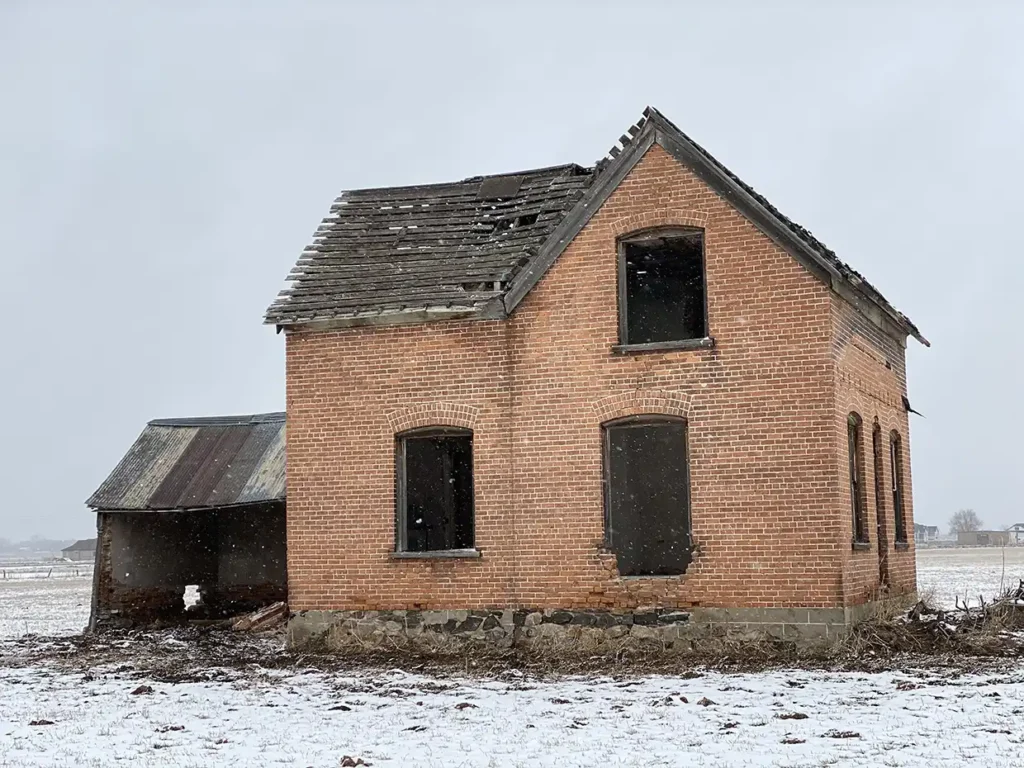
Brick tuckpointing and repointing require specific environmental conditions to achieve maximum compressive strength. Lime- and cement-based mortars require a minimum curing period of 3 to 14 days in ambient temperatures consistently between 40°F and 90°F. Finding the ideal temperature for mortar repointing in fall ensures that the chemical bonds within the mortar matrix set properly. If mortar freezes while curing, the hydration process halts, rendering the joint brittle, chalky, and prone to total failure.
Mortar Curing Temperature Ranges
- Below 40°F (Freezing Risk Zone): Hydration halts completely. Freezing water forms ice crystals within the wet mortar, destroying its structural bond and causing early failure. Avoid repairs in this temperature zone.
- 40°F to 90°F (Ideal Curing Zone): The optimal temperature window for early fall repointing. Allows full, steady chemical hydration for maximum compressive strength.
- Above 90°F (Rapid Evaporation Zone): Mortar loses water too quickly, leading to rapid drying, shrinkage, and surface cracking unless properly shaded and damp-cured.
Essential Application Rules for Fall Restoration
- Schedule Early: Plan repointing projects in September or early October to secure clear weather windows above 40°F.
- Monitor the Mortar Hydration Curing Temperature: Mortar needs stable ambient heat throughout its initial set. If frost strikes mid-cure, the internal water crystallizes and destroys the material’s structural integrity.
- Avoid Chemical Anti-Freezers: Resist quick-fix anti-freeze additives in residential mortar mixes. These accelerating salts can introduce harmful chlorides that cause efflorescence, corrode wall ties, and reduce overall mortar longevity.
- Ensure Proper Raking: Ensure old, damaged mortar is ground or raked out to a depth of at least 1/2 inch (or until sound mortar is reached) before applying fresh, temperature-matched mortar.
Local autumn climates often feature dry air and moderate afternoon temperatures, creating perfect moisture evaporation rates for slow, strong mortar hydration before early snowfalls begin.
Pre-Winter Brick Repair and Chimney Maintenance Checklist
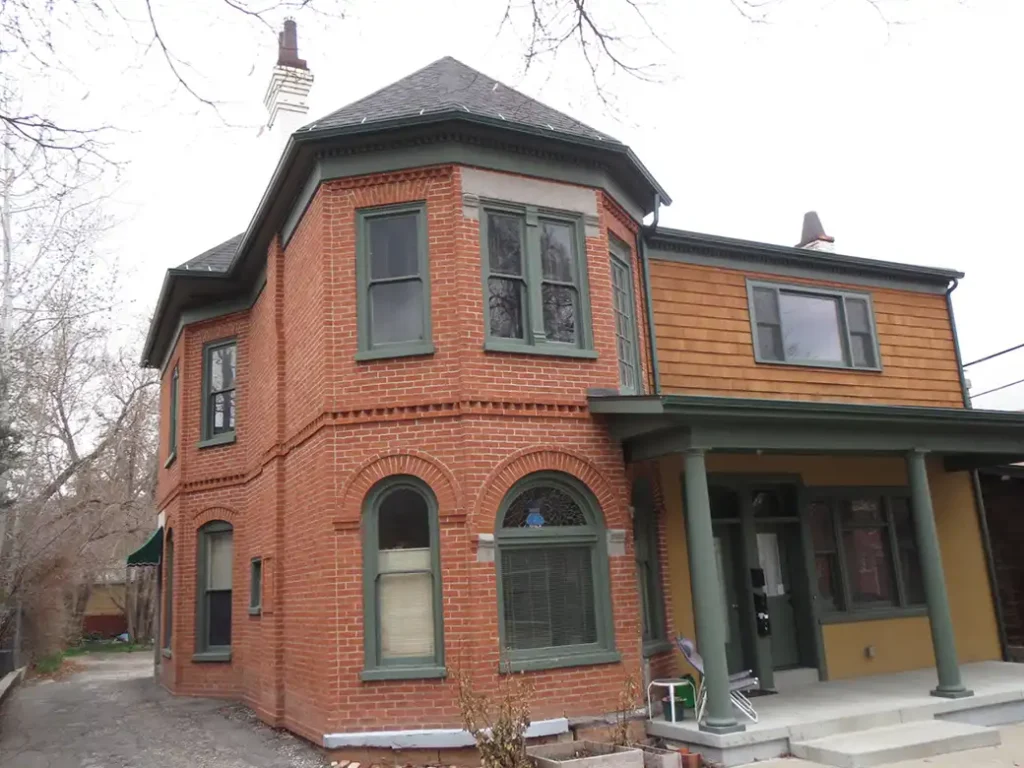
Masonry restoration goes beyond basic tuckpointing; it involves securing every potential entry point where water can enter the building envelope before ice formation begins. Here’s a practical checklist to guide your autumn maintenance strategy.
| Maintenance Task | Inspection Focus | Action Required |
| Chimney Crown & Flashing | Cracks in crown surface, loose metal flashing around roofline. | Seal crown hairline cracks, repair flashing ties, and install a watertight cap. |
| Masonry Water Repellent | Porous, absorbing brick surfaces on high-exposure walls. | Apply a high-performance penetrating silane siloxane sealer that lets vapor escape. |
| Perimeter Sealants | Dried, cracked, or missing caulk around windows, doors, and expansion joints. | Replace failed sealant with high-grade polyurethane expansion joint caulk. |
| Mortar Joint Review | Recessed, soft, or missing mortar in high-exposure exterior walls. | Perform localized brick tuckpointing to restore original joint profile and shed water. |
High-elevation sun and low ambient humidity accelerate sealant breakdown, making annual pre-winter perimeter sealant inspections vital for local properties. Applying a penetrating silane siloxane sealer creates a hydrophobic barrier deep within the pores while letting internal moisture vapor escape freely, avoiding trapped vapor spalling. Guidance from the International Masonry Institute highlights that maintaining breathable wall systems is critical for exterior masonry durability.
The Abstract Masonry Restoration Advantage
At Abstract Masonry Restoration, we specialize exclusively in restoring and protecting existing brick, block, and historic stone structures without compromising their original aesthetic or structural integrity. Because we don’t build new structures, our entire focus, training, and equipment are dedicated strictly to preservation, repair, and weatherproofing.
Our team uses precision depth-raking, historical mortar analysis to match compressive strength and color profiles, and professional-grade penetrating sealants applied under strictly monitored environmental conditions. You can learn more about our comprehensive structural care on our Abstract Masonry Services page.
Performing autumn restoration work with our certified craftsmen eliminates the risk of winter structural emergencies, preserves property resale value, and ensures your building is fully winter-ready before the first freeze hits.
Protect Your Investment Before the Freeze Hits
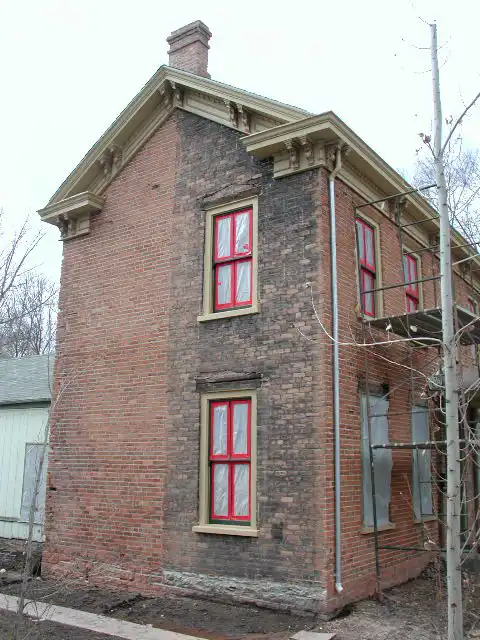
Winter freeze-thaw cycles turn tiny masonry defects into costly structural repairs. Early fall provides the necessary temperature stability to repoint crumbling mortar joints, repair spalling brick, and seal perimeter joints safely. By taking proactive action in September, property owners ensure durable mortar curing, prevent moisture intrusion, and protect their investment through the harshest winter months.
Don’t wait for freezing weather to reveal hidden leaks in your masonry envelope. Explore our full portfolio of completed projects, or reach out to book your evaluation. Schedule your pre-winter masonry inspection with Abstract Masonry Restoration today to secure your fall service date before freeze-thaw conditions set in!